Biometric Authentication Enhances Seamless Entry Across Multi-Game Mobile Ecosystems
Amir Hughes · Jun 27, 2026
Biometric Authentication Enhances Seamless Entry Across Multi-Game Mobile Ecosystems
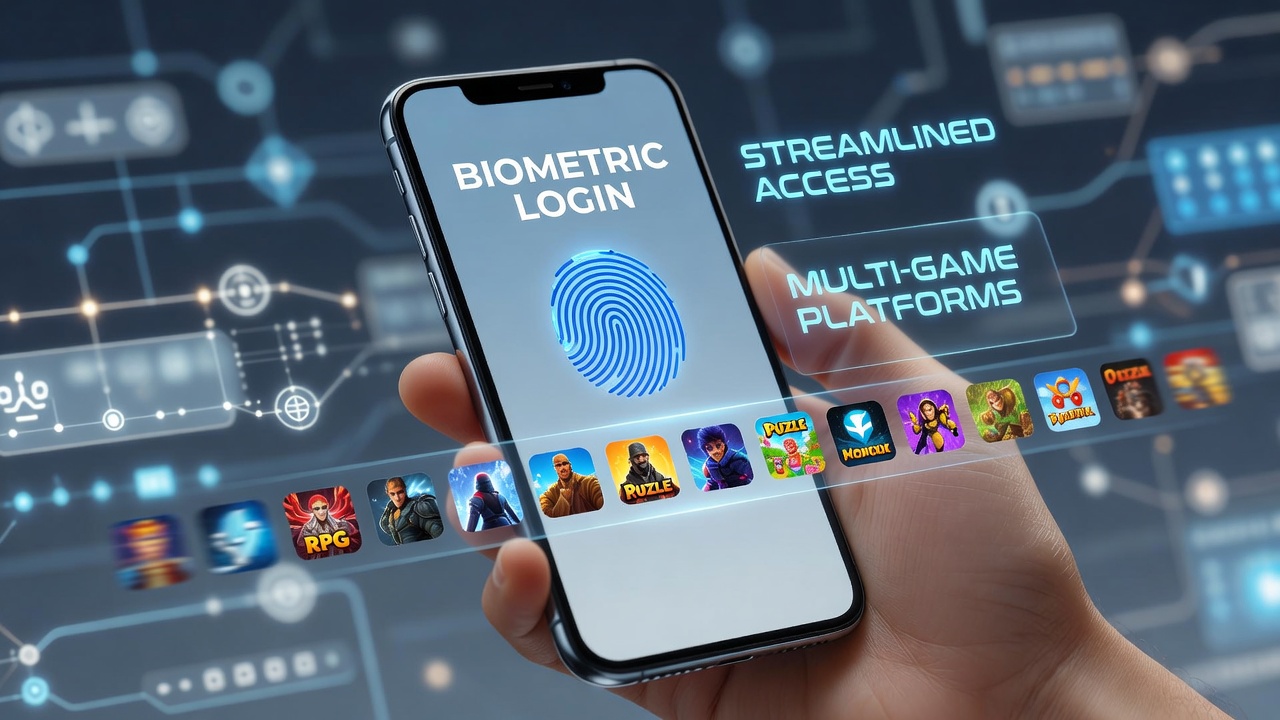
Biometric logins rely on unique physical traits such as fingerprints and facial recognition to verify users quickly and replace traditional passwords across connected mobile gaming applications. These systems integrate with device hardware to create unified access points where players move between titles without repeated credential entry. Data from industry reports shows adoption rates climbing steadily through 2025 and into June 2026 as platforms expand their multi-game portfolios.
Core Technologies Powering the Process
Fingerprint scanners and facial recognition cameras form the primary tools while iris scanning appears in select high-security environments. Device manufacturers embed these sensors at the hardware level so software platforms access them through standardized APIs. Researchers at various academic institutions have documented how template matching algorithms compare live scans against stored data in milliseconds which reduces wait times during session starts.
Encryption protocols protect biometric templates on the device itself rather than transmitting raw images over networks. This local processing approach limits exposure points and complies with data protection frameworks established by regulatory bodies in multiple regions. Observers note that such methods maintain compatibility across operating systems which allows a single biometric profile to serve games from different developers under one account umbrella.
Operational Efficiency Gains in Practice
Users who activate biometrics on multi-game platforms complete login sequences in under two seconds on average compared to longer manual entries. The reduction in friction encourages longer play sessions and higher retention metrics according to aggregated platform analytics released in early 2026. Platform operators report fewer support tickets related to forgotten passwords once biometric defaults take hold.
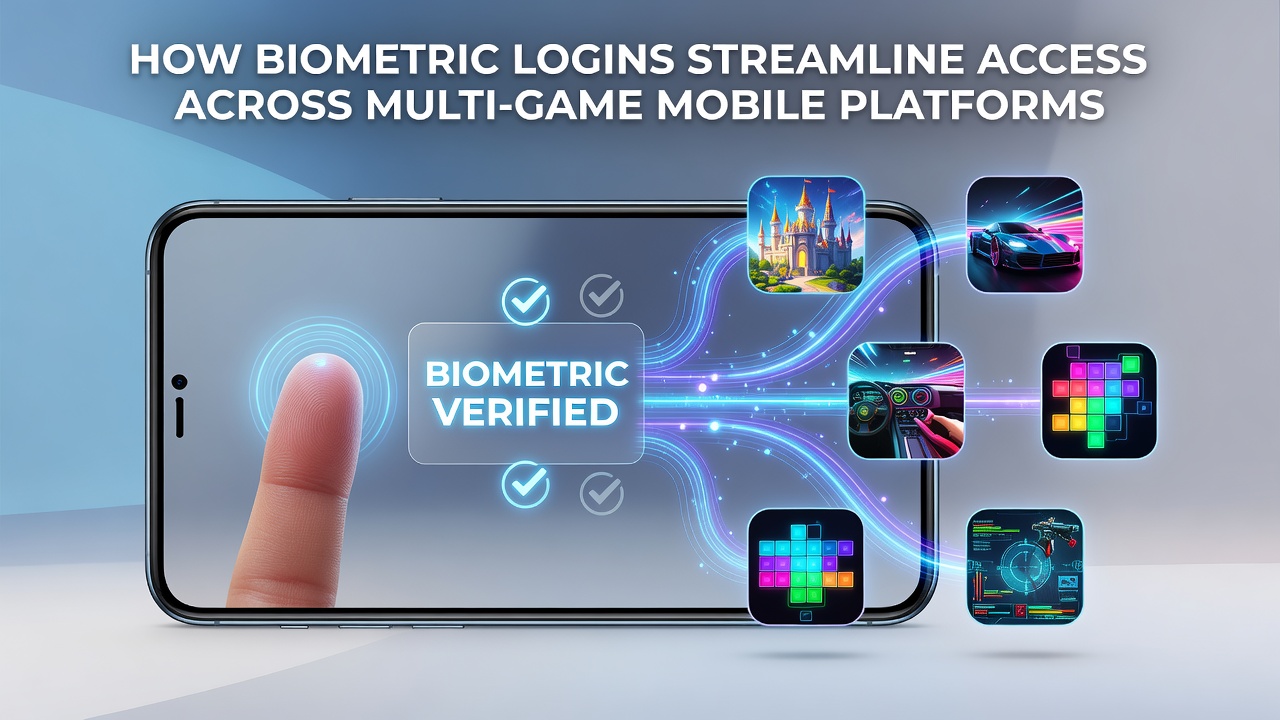
Multi-factor combinations sometimes layer a biometric check with device proximity verification to add security layers without extra user steps. Gaming associations have tracked how these setups support cross-title progress sharing where achievements and balances transfer smoothly because the underlying identity remains consistent. In June 2026 several major operators rolled out updates that extended biometric support to emerging titles within existing ecosystems.
Security Framework and Regulatory Context
Standards developed by organizations such as the National Institute of Standards and Technology outline performance benchmarks for biometric accuracy and spoof resistance. Platforms that follow these guidelines achieve false acceptance rates below industry thresholds which protects user accounts across linked games. European regulatory frameworks emphasize consent mechanisms where players explicitly enable biometric features before data storage begins.
Independent testing laboratories evaluate system resilience against presentation attacks using replicas or digital spoofs. Results from such evaluations feed into certification processes that operators display to build user confidence. Data indicates that regions adopting clear biometric guidelines see faster integration timelines for new gaming applications.
Implementation Across Diverse Platform Types
Unified account systems bundle multiple game genres under single biometric gateways so players avoid juggling separate credentials. Developers embed SDKs from biometric providers to maintain consistency even when titles run on different engines. Case examples from North American and Asian markets illustrate how these integrations scale from casual puzzle apps to complex strategy titles without performance drops.
Updates in mid-2026 introduced adaptive matching that adjusts sensitivity based on environmental factors like lighting or device temperature. This refinement maintains reliability during outdoor play sessions while preserving battery efficiency. Industry reports from research firms highlight reduced churn rates among users who rely on these streamlined access methods.
Future Trajectory and Emerging Patterns
Voice biometrics and behavioral pattern analysis enter pilot phases on select platforms which could expand options beyond physical traits. Integration with wearable devices offers potential for continuous low-friction verification during extended sessions. Projections from trade groups point to broader standardization efforts that would allow biometric profiles to function across borders and operators by late 2026.
Conclusion
Biometric systems deliver measurable reductions in access friction while supporting secure identity management across interconnected mobile games. Continued hardware improvements and regulatory alignment sustain this shift as platforms evolve through 2026 and beyond. The approach centers on device-level processing combined with established encryption practices that keep user data localized and protected.